Erica Johnson Founder of Waistee Girls Redefine Wellness with Skin Health and Kiehls Skincare Experience

Fitness communities are often built around what the body can do. Erica Johnson, founder of Waistee Girls, is widening that view by asking a deeper question: how does the body feel, recover, glow, rest, and heal?
That shift matters. A strong workout can build confidence, but wellness does not stop when class ends. It shows up in energy, digestion, hormones, sleep, stress levels, self talk, and yes, skin. Skin is not separate from health. It is one of the clearest ways the body communicates what it needs.
For Waistee Girls, this broader approach creates space for women to show up as whole people. Movement remains part of the mission, but so does education, care, and everyday support. That is why the upcoming partnership event Whats Your Type with Kiehl's on October 26th feels so aligned. The event brings personalized skin care into the wellness conversation, giving women a chance to learn about their skin in a thoughtful way rather than guessing from trends.

Erica Johnson is expanding what a fitness community can be
Waistee Girls has built its name around confidence, movement, and community. Erica Johnson’s leadership stands out because she understands that fitness is not only about shaping the body. It is also about building a healthier relationship with the body.
That difference is powerful.
Many women enter fitness spaces carrying pressure. Pressure to look a certain way. Pressure to keep up. Pressure to shrink, tone, stretch, lift, and push through discomfort without asking what their body is trying to say. A more holistic approach changes the tone. It invites women to build strength while also learning how to recover, nourish, protect, and care for themselves.
Skin health fits naturally into this model. Skin is the body’s largest organ, and it plays a protective role every day. It helps guard against irritants, supports temperature control, and responds to internal and external stress. When skin feels irritated, inflamed, dry, oily, reactive, or painful, it can affect confidence and comfort.
A wellness community that talks about skin gives women permission to take those concerns seriously.
This does not mean chasing perfection. Healthy skin does not have to be poreless, filtered, or flawless. Real skin has texture. It changes with cycles, seasons, stress, age, products, sleep, and nutrition. The goal is not to erase every mark. The goal is to understand what skin needs and create routines that support it.
That is where Waistee Girls is making a meaningful impact. By connecting fitness, education, and self care, the community encourages a fuller view of wellness, one that includes the parts of health people often dismiss as cosmetic.
Skin health belongs in the wellness conversation
Skin is often treated like an appearance topic, but it is also a health topic. Breakouts, dryness, irritation, eczema flare ups, sensitivity, and inflammation can all affect daily life. They can influence how a person feels when leaving the house, working out, meeting friends, or taking photos.
A strong skin routine starts with basics, not with a packed shelf.
Most people benefit from a simple foundation:
A gentle cleanser that does not strip the ski
A moisturizer that supports the skin barrie
Sunscreen during the da
Careful use of active ingredient
Consistency over constant product switchin
The skin barrier deserves special attention. It is the outer layer that helps keep moisture in and irritants out. When the barrier is stressed, skin may sting, burn, peel, feel tight, or react to products that once felt fine. Over exfoliation, harsh scrubs, too many acids, strong retinoids, fragrance, and frequent product changes can all disrupt it.
Workout routines can also affect skin. Sweat itself is not bad, but leaving sweat, sunscreen, makeup, or tight clothing on the skin for long periods may contribute to clogged pores or irritation for some people. A gentle post workout cleanse, clean towels, breathable fabrics, and moisturizing afterward can help.
This is where the connection between skin care, dermatology, Waistee Girls, facials, health, wellness, and community becomes more than a list of services or ideas. It becomes a practical way to support women in real life. When people learn how their skin works, they can make choices with more confidence and less fear.

Food can influence skin, but shame should never be part of the conversation
Food and skin have a complicated relationship. No single food causes every breakout, and no perfect diet guarantees clear skin. Genetics, hormones, stress, medication, sleep, environment, and product use all matter.
Still, food can play a role for some people. Research suggests certain eating patterns may influence oil production, inflammation, and breakouts, especially in acne prone skin. The goal is not restriction. The goal is awareness.
Some common triggers may include:
High glycemic foods
These are foods that can spike blood sugar quickly, such as sugary drinks, candy, white bread, and some highly processed snacks. For some people, frequent blood sugar spikes may be linked to acne flare ups.
Dairy
Some studies suggest a link between dairy intake and acne in certain people, though the relationship is not the same for everyone. Milk may affect some skin types more than others.
Highly processed foods
Foods high in added sugar, refined oils, and low nutritional value may contribute to inflammation for some people when they make up a large part of the diet.
Alcohol
Alcohol can dehydrate the body and may trigger flushing or inflammation in people with certain skin conditions.
None of this means someone should feel guilty for enjoying dessert, cheese, coffee, chips, or brunch with friends. A compassionate wellness approach does not turn food into a moral test. It helps people notice patterns.
A simple skin and food journal can be useful. Track meals, sleep, stress, cycle changes, workouts, and skin reactions for a few weeks. Patterns may become clearer over time. If breakouts or irritation feel persistent, painful, or sudden, a licensed dermatologist or qualified health professional can help identify what is happening.
The most skin supportive eating habits are often the least dramatic. Think colorful fruits and vegetables, enough protein, water, healthy fats, and steady meals. Skin needs nutrients to repair, protect, and function well. Extreme cleanses and quick fix diets often create more stress than support.
TikTok skin trends can be tempting, but caution matters
TikTok has changed the way people discover beauty products. A product can go from unknown to sold out almost overnight. Some creators offer helpful education, and many people have found products they enjoy through short videos. But fast trends can also lead to fast reactions.
Skin is personal. What works for one person can irritate another. A viral product may look amazing on camera and still be too strong, too fragranced, too drying, or too occlusive for someone else’s skin.
The biggest risks often come from trend stacking. Someone sees several videos, then tries a new cleanser, exfoliating toner, vitamin C serum, retinoid, peel mask, and spot treatment in the same week. When the skin starts burning or breaking out, it becomes hard to know which product caused the issue.
Common reactions from trendy products can include redness, itching, stinging, peeling, clogged pores, contact dermatitis, and worsened sensitivity. Strong acids, retinoids, exfoliating scrubs, at home peels, and products with heavy fragrance deserve extra caution.
Before trying a viral product, it helps to slow down.
Patch testing is a smart first step. Apply a small amount to a discreet area, such as behind the ear or along the jaw, for a few days before using it on the entire face. Introduce one new product at a time. Give the skin time to respond. Read ingredient lists if there is a history of sensitivity or allergies.
More products do not always mean better care. In many cases, irritated skin needs fewer products, not more.
It is also wise to be careful with advice that sounds extreme. Any trend that encourages burning, daily peeling, using kitchen ingredients as treatments, skipping sunscreen while exfoliating, or mixing many actives together should raise concern. Skin care should not feel like punishment.
For people dealing with acne, hyperpigmentation, eczema, rosacea, or ongoing irritation, professional guidance is especially helpful. Social media can inspire questions, but qualified care can provide context.

The October 26th Kiehl's partnership brings personalized care to the community
The Whats Your Type event on October 26th partnership with Kiehl's gives Waistee Girls a chance to bring skin education into a welcoming, real life setting. Rather than asking women to figure everything out alone in crowded beauty aisles or through endless online reviews, the experience centers personalization.
That matters because skin care is not one size fits all.
A person with dry, sensitive skin may need a very different routine than someone with oily, acne prone skin. Someone dealing with dark spots may need different support than someone focused on barrier repair. Seasonal changes, workout frequency, stress, hormones, and lifestyle can all influence what the skin needs.
A personalized experience can help women ask better questions:
What is my skin type right now
Is my barrier healthy
Am I using too many active ingredients
Which products should I use in the morning
Which products should I use at night
How do I know when a product is irritating my skin
How can I build a routine I will actually follow
That last question is key. A routine only works if it fits real life. For many women, the best routine is not the most expensive or complicated one. It is the one that feels manageable, comfortable, and consistent.
This event also reflects what Erica Johnson has been building through Waistee Girls: a community where care is both physical and emotional. Personalized skin support can help women feel seen. It can turn confusion into clarity. It can also remind people that self care does not have to be lonely.
Wellness becomes more powerful when it is shared. A fitness class can build energy. A skin care session can build knowledge. A community event can build connection. Together, they create a fuller sense of support.

Holistic wellness gives women more ways to care for themselves
The strongest wellness spaces do not tell women to ignore their body’s signals. They teach women how to listen.
That is what makes Erica Johnson’s approach feel timely and needed. Waistee Girls is not only creating a place to move. It is creating a place to learn, reset, connect, and care for the whole self. Skin health belongs in that conversation because it touches confidence, comfort, and daily wellbeing.
The message is simple and powerful: skin care is not vanity when it helps someone feel healthier, calmer, and more informed in their body.
It also creates a more inclusive idea of beauty. Some women arrive with acne scars. Some are navigating hormonal shifts. Some have sensitive skin. Some have never had a facial. Some have tried every trending product and still feel unsure. A supportive community makes room for all of those experiences without judgment.
This kind of wellness does not demand perfection. It invites progress.
A woman can lift weights and protect her skin barrier. She can enjoy her favorite foods and notice how her body responds. She can love a beauty trend and still pause before putting it on her face. She can ask for help. She can choose care that feels grounded instead of rushed.
That is the future Erica Johnson is helping shape through Waistee Girls. It is confident, informed, and compassionate.
To be part of the October 26th personalized skincare experience, reserve your spot through Waistee Girls.
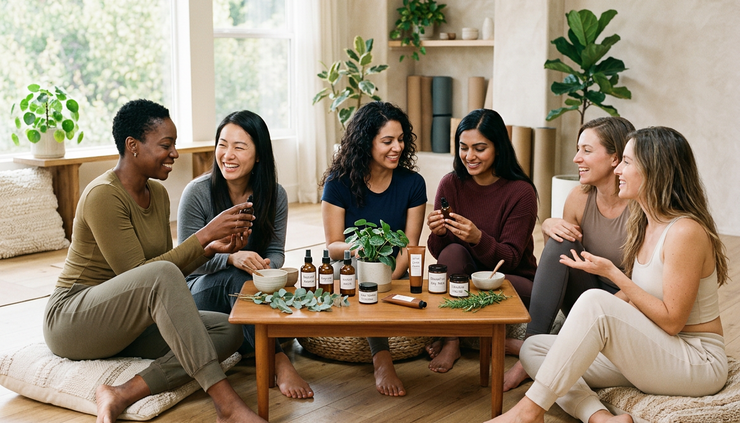
The best routines are the ones that support real life. Erica Johnson and Waistee Girls are showing that wellness can include sweat, strength, rest, food, skin, and community in one caring space. That fuller view gives women more than a workout. It gives them tools to feel at home in their bodies.
This article is for informational purposes only and is not a substitute for medical advice. For ongoing skin concerns, painful reactions, or sudden changes, speak with a licensed dermatologist or qualified health professional.
Comments